

Sump Pumps Protect Homes Against Flooding and Water Damage
As spring approaches, the likelihood of heavy rains increases, posing the threat of water damage to homes. One of the most effective ways to guard against flooding is through the proper use and maintenance of sump pumps. Understanding how sump pumps function and ensuring they are in optimal condition is essential to safeguarding the home during the wet season. Explore the functions of sump pumps and the importance of regular maintenance and backups.
How Do Sump Pumps Work?
 Sump pumps serve as the first line of defense, removing excess water from basements and crawl spaces to prevent costly water damage and preserve the home’s integrity.
Understanding the mechanics behind sump pumps is fundamental to appreciating their role in protecting homes against water damage. A sump pump is typically installed in a sump pit located at the lowest part of a basement or crawl space. These devices are designed to collect and divert groundwater away from the home’s foundation to prevent flooding.
- Motorized Pump Operation: The primary component of the sump pump system is the motorized pump, which activates when the water level in the sump pit reaches a certain threshold. Once engaged, the pump uses centrifugal force to push water out through a discharge pipe, directing it safely away from the home.
- Float Switch Activation: The float switch, a critical component resembling a toilet tank float, rises with the water level in the pit. When it reaches a predetermined point, it triggers the pump to start, ensuring the system only operates when necessary to conserve energy.
- Check Valve Functionality: To prevent expelled water from flowing back into the sump pit, a check valve is installed along the discharge line. This mechanism ensures that once water is pumped out, it cannot return, thereby maintaining the system’s efficiency and effectiveness.
Each component plays a vital role in the sump pump’s operation, emphasizing the importance of regular inspections and maintenance to guarantee reliable performance.
How to Make Sure a Sump Pump Is Working Correctly
 To maintain home safety and prevent water damage, homeowners should prioritize ensuring their sump pumps are ready and functioning. Homeowners should routinely verify that their sump pump systems are operating correctly and ready for the spring rains, as well as schedule regular maintenance with a professional. Below are steps that can be taken to check sump pump functionality:
- Test the Pump with Water: Pour enough water into the sump pit to raise the float and trigger the pump. Observing the pump activate and effectively remove water indicates proper operational status.
- Check Power Connections: Ensure the sump pump is securely plugged in and receiving power. It is advisable to have a backup power source, such as a generator, available in case of power outages.
- Inspect for Debris and Blockages: Regularly clear the sump pit of any debris that may impede the pump or float switch. Ensuring unobstructed components allows for optimal performance.
- Listen for Unusual Noises: Pay attention to any unusual sounds from the pump, such as grinding or rattling, which may indicate mechanical issues requiring professional attention.
- Examine the Discharge Line: Verify that the discharge pipe is free from clogs and directs water a safe distance from the home’s foundation to prevent recycled water infiltration.
Implementing these measures ensures the sump pump is equipped to handle increased water flow during the rainy season. Professional sump pump maintenance and inspections further enhance preparedness by identifying hidden issues homeowners may miss during their tests and ensuring all components are in top condition.
Why a Sump Pump Backup May Be Needed
While a primary sump pump is crucial for preventing flooding, additional protection through a backup pump can provide security against unforeseen challenges. Here are reasons why installing a backup sump pump is beneficial:
- Power Outage Resilience: Severe weather often results in power outages, rendering electric sump pumps useless. Battery-powered backup pumps ensure continued operation during such events, preventing flooding.
- Primary Pump Malfunction: Mechanical failures or aging equipment can cause the primary pump to fail. A backup system acts as insurance, providing continuous protection even when the main pump falters.
- Handling Excessive Water Flow: During periods of intense precipitation, the primary pump may become overwhelmed. A secondary pump supplements this capacity, helping to manage heavy water flow and avert flooding.
Incorporating a backup system ensures that homes remain protected even under the most challenging circumstances, delivering peace of mind to homeowners concerned about potential water damage.
About E.F. Winslow Home Services
E.F. Winslow Home Services has spent over 50 years providing fast, accurate, and high-quality home services. They only hire excellent, reliable, and trustworthy technicians. Call them today for sump pump services in South Yarmouth, MA.

 Regular maintenance and timely air filter replacement are pivotal in ensuring optimal indoor air quality, energy efficiency, and overall health. Over time, air filters in heating, ventilation, and air conditioning (HVAC) systems become clogged with dust, pollen, and other airborne contaminants.
  Regular cleaning and maintenance of air ducts are crucial aspects of ensuring high indoor air quality and promoting respiratory health. By having ductwork cleaned and inspected for issues, homeowners can effectively minimize the presence of airborne contaminants.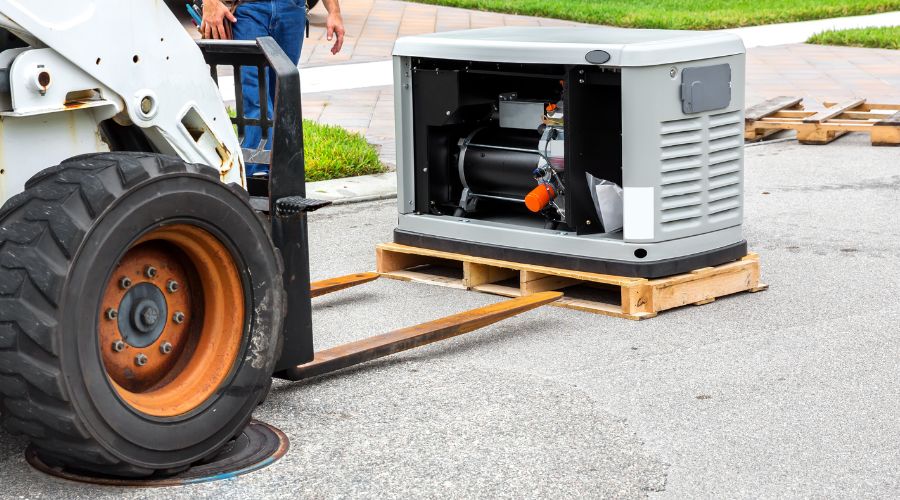
 A standby generator is always ready to activate when the power cuts out. Once installed, it operates automatically—there’s no need to rush outside or fiddle with switches during a storm. As soon as an outage is detected, the system powers up, restoring electricity to the entire home in seconds.
 Power outages always happen at the worst times. One minute, everything is fine, and the next, there’s darkness, silence, and the realization that nothing works. That’s when a generator steps in, restoring electricity almost instantly and keeping life moving forward.
 Showerheads might seem like a minor bathroom fixture, but their influence on comfort and overall functionality is significant. Aside from their purpose, they can also impact the visual and feel of the bathroom.
  A bathtub is often a must-have feature in a dream bathroom. While families with young children are the most frequent users of this bathroom staple, many adults also appreciate having one as a way to unwind after a stressful day. Adding a bathtub can turn an ordinary bathroom into a calming retreat. Whether seeking a tranquil space to relax or a practical solution for family use, there’s a
 The primary role of an AC filter is to shield the interior of the unit from dust and other airborne contaminants, such as hair, pet dander, and fibers. As air flows through the filter, these particles are trapped, preventing them from entering various parts of the system. This keeps dirt from infiltrating the system and stops it from circulating throughout the home.
 Homeowners often adopt various practices to save energy and reduce utility bills. A common approach is closing air vents in unused rooms, which is believed to conserve energy. However, this practice does more harm than good to the HVAC system. Blocking vents disrupt the system’s pressure balance, resulting in several problems, such as:
 Homeowners usually plan their yearly decorations, including deciding whether to use incandescent or LED Christmas lights. Knowing key differences can help them make a safe and energy-efficient decision.
 Before setting up decorations, homeowners must inspect all items thoroughly and
 Gas leaks are extremely dangerous to homeowners and their houses. If a gas pipe leak happens, it can lead to the following threats:
 Gas leaks can pose serious risks to homes and families, so everyone should know the signs to watch for. It is recommended to watch for the following gas leak symptoms: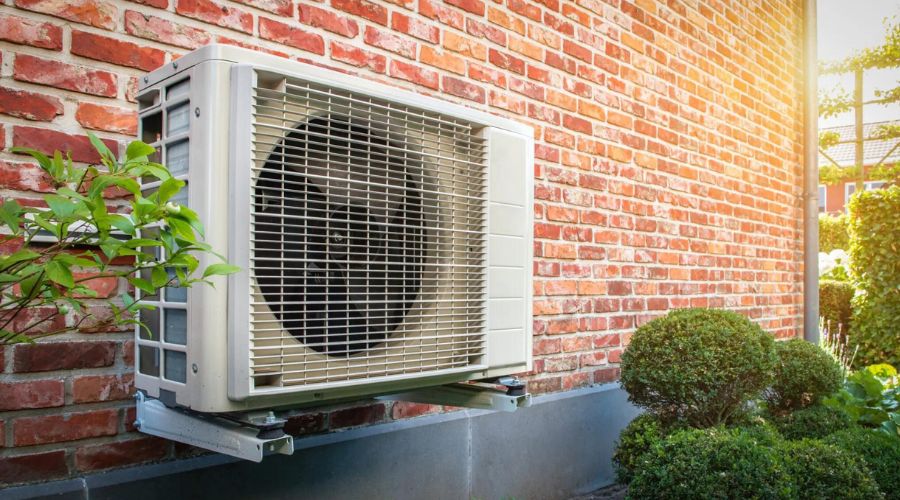
 Installing a heat pump in a house instead of a forced-air central AC or heating system has numerous benefits.
  To keep their homes comfortable during hot and cold temperatures, homeowners must schedule heat pump repairs at the first signs of an issue.
 AFCI outlets, or Arc Fault Circuit Interrupters, are crucial for home safety. These outlets are designed to detect and
  Ground Fault Circuit Interrupter (GFCI) outlets are designed to protect households against
 One of the biggest tips for homeowners to keep their garbage disposals fully functional is to
  A tip many homeowners might overlook is the importance of running cold water down the disposal—simple yet effective.